
Hyderabad’s historic arches from Qutb Shahi and Asaf Jahi eras set for restoration
 Rohini Sharma•9 Jul 2026•2 min read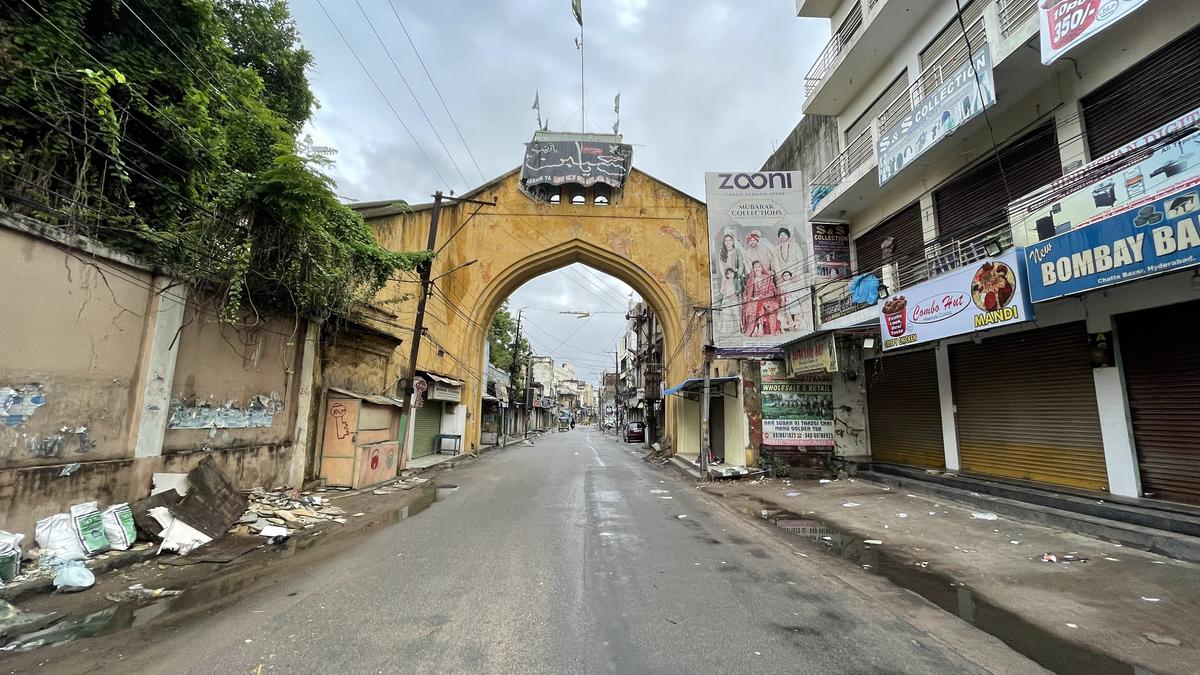
Historic arches are more than decorative architectural elements. They represent Hyderabad's political history, artistic traditions, engineering achievements, and multicultural legacy. Preserving them allows future generations to experience the city's layered history firsthand.
Hyderabad’s Historic Arches from the Qutb Shahi and Asaf Jahi Eras Set for Restoration
Hyderabad's architectural heritage is a living testament to centuries of cultural exchange, artistic excellence, and urban planning. Among its most distinctive landmarks are the monumental arches built during the Qutb Shahi (16th–17th centuries) and Asaf Jahi (Nizam) (18th–20th centuries) eras. These arches once marked ceremonial routes, royal precincts, marketplaces, and gateways to the city's historic quarters. Now, after decades of weathering, pollution, and urban pressure, many of these iconic structures are set to undergo restoration, offering renewed hope for the preservation of Hyderabad's rich architectural legacy.
Symbols of a Glorious Past
The Qutb Shahi rulers founded Hyderabad in 1591 and introduced an architectural style that blended Persian influences with local craftsmanship. Monumental arches became defining features of the city's urban landscape, symbolizing grandeur, openness, and civic identity.
The succeeding Asaf Jahi rulers expanded the city while preserving many earlier structures and adding their own architectural elements. Together, these dynasties created a unique Indo-Islamic urban heritage that continues to distinguish Hyderabad from other Indian cities.
Why Restoration Matters
Time, pollution, traffic vibrations, water seepage, and unauthorized alterations have weakened many of Hyderabad's historic arches. Cracks, eroded stonework, damaged stucco, and encroachments threaten both their structural stability and historical authenticity.
Restoration aims to stabilize these monuments while preserving their original architectural character. Conservation experts typically focus on repairing damaged masonry, strengthening foundations, removing inappropriate modern additions, and using traditional materials and techniques wherever possible.
Preserving Identity in a Growing City
Hyderabad has evolved into one of India's fastest-growing metropolitan centres. Rapid urbanization has transformed its skyline, but it has also placed immense pressure on historic neighbourhoods.
Heritage conservation ensures that modernization does not erase the city's identity. Restored arches serve as visual reminders of Hyderabad's evolution, connecting contemporary residents with centuries of history while enhancing the character of public spaces.
A city that protects its heritage often strengthens its cultural identity and civic pride.
Tourism and Economic Benefits
Well-preserved heritage attracts visitors, researchers, photographers, and cultural enthusiasts. Restored monuments can become focal points for heritage walks, educational programmes, and cultural festivals, generating economic opportunities for local communities.
Successful conservation projects elsewhere in Hyderabad—such as the restoration of the Qutb Shahi Tombs—demonstrate how heritage preservation can stimulate tourism while safeguarding historical authenticity.
Challenges Ahead
Conservation is not without obstacles. Heavy traffic, surrounding commercial activity, illegal encroachments, and environmental pollution continue to threaten historic structures. Long-term preservation requires regular maintenance, effective urban planning, public awareness, and coordination among government agencies, conservation experts, and local communities.
Restoration should not be viewed as a one-time project but as an ongoing commitment to protecting cultural heritage.
A Bridge Between Past and Future
Historic arches are more than decorative architectural elements. They represent Hyderabad's political history, artistic traditions, engineering achievements, and multicultural legacy. Preserving them allows future generations to experience the city's layered history firsthand.
As Hyderabad continues to expand as a global technology and business hub, safeguarding its architectural heritage ensures that progress remains rooted in cultural memory.
Conclusion
The restoration of Hyderabad's historic arches from the Qutb Shahi and Asaf Jahi eras marks an important step toward preserving one of India's richest urban heritage landscapes. These structures are not merely relics of the past—they are enduring symbols of the city's identity.
By investing in careful conservation today, Hyderabad demonstrates that development and heritage preservation can coexist, ensuring that its historic skyline continues to inspire residents and visitors for generations to come.