
Bandra is disappearing: Is this what Mumbai calls development?
 Rohini Sharma•9 Jul 2026•2 min read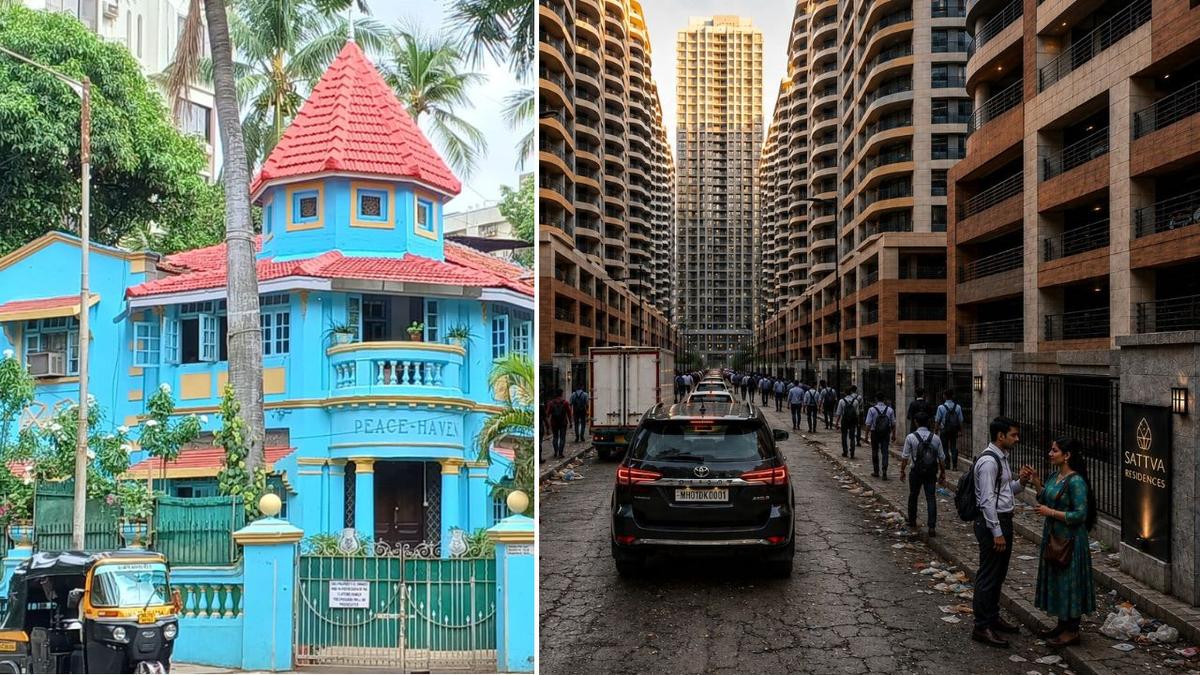
When redevelopment displaces long-time residents or replaces local establishments with generic commercial spaces, the loss is not merely architectural—it is cultural. A neighbourhood's identity cannot be recreated once its social ecosystem is fragmented.
Bandra Is Disappearing: Is This What Mumbai Calls Development?
For generations, Bandra has been more than just a neighbourhood—it has been a symbol of Mumbai's cultural diversity, architectural heritage, artistic spirit, and cosmopolitan identity. Its tree-lined streets, Portuguese-era bungalows, historic churches, bustling markets, sea-facing promenades, and vibrant cafés have given it a character unlike any other part of the city. Today, however, that unique identity is slowly fading under the relentless march of redevelopment.
The question many residents and urban planners are asking is simple yet profound: Is this what Mumbai calls development?
The Price of Progress
Mumbai is a city that constantly reinvents itself. With limited land, a growing population, and rising housing demand, redevelopment has become an economic necessity. Aging buildings need structural upgrades, infrastructure requires modernization, and new housing is essential for accommodating millions of residents.
Yet development comes with a difficult trade-off. In Bandra, charming low-rise homes are increasingly giving way to towering residential complexes. Streets once shaded by old trees now face congestion caused by large-scale construction. The neighbourhood's distinctive skyline is gradually being replaced by rows of high-rise buildings that could belong to almost any modern metropolis.
Progress, while necessary, should not erase the very qualities that make a place worth preserving.
Losing a Living Heritage
Bandra's heritage extends far beyond its historic buildings. It lives in its communities, festivals, local businesses, public spaces, and everyday interactions. Generations of families have built lives around neighbourhood markets, parish communities, schools, and cultural institutions that define the area's social fabric.
When redevelopment displaces long-time residents or replaces local establishments with generic commercial spaces, the loss is not merely architectural—it is cultural. A neighbourhood's identity cannot be recreated once its social ecosystem is fragmented.
Cities thrive not only because of new buildings but because of the communities that give them life.
Infrastructure Under Pressure
Redevelopment often promises improved living standards, but increasing residential density places enormous pressure on existing infrastructure. Roads become more congested, parking shortages worsen, public transport faces additional strain, and essential services such as water supply, sewage, and waste management must serve significantly larger populations.
Without simultaneous investment in infrastructure, vertical growth can reduce rather than improve the quality of urban life.
Effective urban planning must ensure that transportation, public utilities, green spaces, and civic amenities grow alongside new construction.
The Disappearing Green Cover
One of Bandra's defining features has always been its greenery. Mature trees, small gardens, and open spaces have softened the intensity of urban life while improving air quality and reducing heat.
Construction activity often comes at the expense of this natural environment. As green cover shrinks, the neighbourhood becomes more vulnerable to rising temperatures, flooding, and declining environmental quality. In a city already grappling with climate-related challenges, preserving urban greenery is no longer a luxury—it is a necessity.
Development should enhance environmental resilience rather than weaken it.
Can Heritage and Development Coexist?
Many global cities have demonstrated that modernization and heritage conservation are not mutually exclusive. Historic districts can be revitalized without sacrificing their architectural identity. Adaptive reuse of older buildings, strict heritage zoning, pedestrian-friendly public spaces, and context-sensitive architecture allow cities to evolve while respecting their past.
Mumbai has the opportunity to adopt similar approaches. Instead of treating heritage as an obstacle to development, policymakers and developers can recognize it as a valuable economic and cultural asset that enhances tourism, livability, and civic pride.
A Vision for Balanced Growth
The future of Bandra should not be framed as a choice between preservation and progress. The real challenge is achieving balanced development that accommodates growth while protecting the neighbourhood's unique character.
This requires thoughtful urban planning, stronger heritage protection policies, transparent redevelopment processes, community participation, and investments in sustainable infrastructure. Residents, planners, developers, and government agencies all have a role to play in shaping a future that serves both present and future generations.
Conclusion
Bandra's transformation reflects a broader question facing rapidly urbanizing cities across India: How should development be measured? If success is judged solely by taller buildings and higher property values, cities risk losing the cultural identity that makes them distinctive.
True development is not about replacing the old with the new. It is about creating cities where heritage, sustainability, economic growth, and community life exist in harmony. As Bandra continues to evolve, Mumbai must decide whether it wants to build only more buildings—or preserve the soul of one of its most cherished neighbourhoods.