
Real estate industry facing twin challenges
 Devang Rajput•9 Jul 2026•2 min read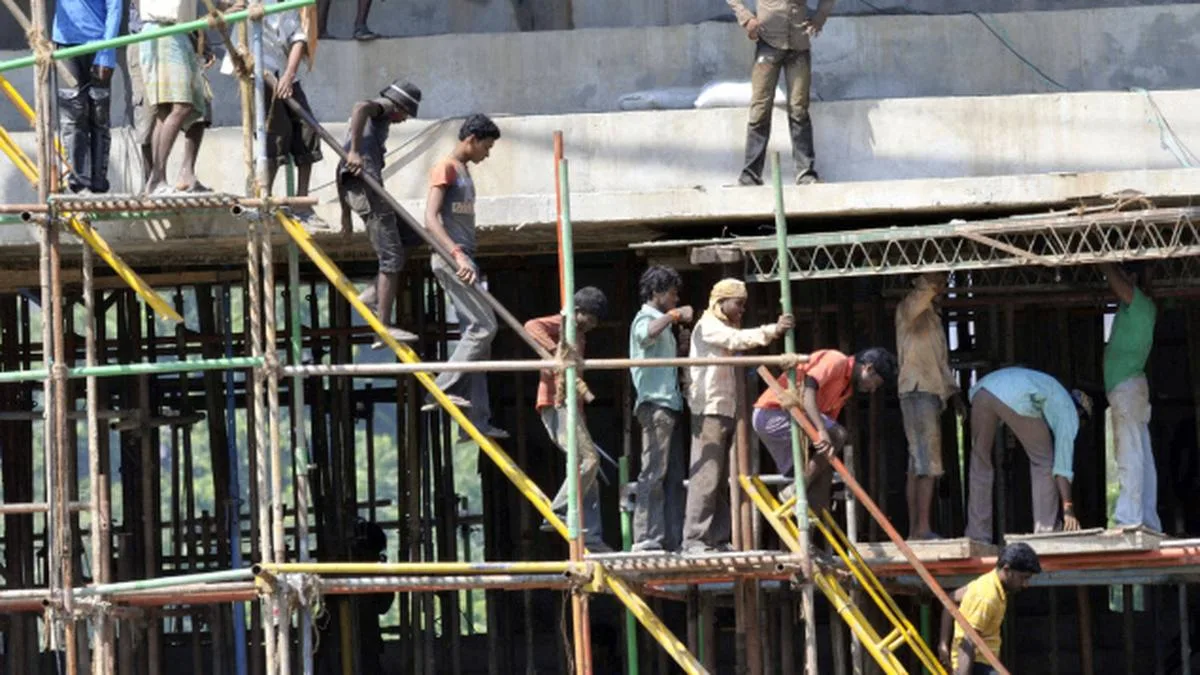
A shift in employment choices and a decline in the number of migrant workers in the city add up to a shortage of labour. The rising cost of construction puts a spanner in construction works in the city.
Real Estate Industry Facing Twin Challenges
The real estate industry has long been regarded as a key driver of economic growth, employment, and infrastructure development. However, in recent years, the sector has been navigating a complex landscape shaped by two significant and interconnected challenges: rising construction costs and weakening consumer affordability. Together, these issues are reshaping the future of real estate and compelling developers, investors, and policymakers to rethink their strategies.
Rising Construction Costs
One of the biggest hurdles facing the real estate industry is the continuous increase in construction costs. Prices of essential building materials such as steel, cement, aluminum, and copper have risen considerably due to supply chain disruptions, inflation, and global geopolitical uncertainties. Additionally, higher transportation costs and increased energy prices have further inflated project expenses.
Labour shortages have added another layer of complexity. Many construction firms are struggling to find skilled workers, leading to project delays and increased wage costs. As a result, developers are finding it increasingly difficult to maintain profit margins while keeping property prices competitive.
Declining Affordability for Buyers
While construction costs continue to climb, homebuyers are facing their own financial pressures. Rising interest rates have made home loans more expensive, increasing monthly mortgage payments and reducing purchasing power. Inflation has also affected household budgets, making it difficult for many families to save for down payments or qualify for larger loans.
This affordability gap has slowed demand in several housing markets, particularly in the affordable and mid-income segments. Many potential buyers are postponing purchase decisions, preferring to wait for more favorable economic conditions.
Impact on Developers
Developers are caught between increasing input costs and weakening buyer demand. Passing the entire cost increase on to customers is often not feasible, especially in price-sensitive markets. Consequently, many developers are reducing project launches, redesigning projects to optimize costs, or focusing on premium segments where margins remain relatively stronger.
Cash flow management has become more critical than ever. Longer sales cycles and delayed project completions can strain financial resources, particularly for small and medium-sized developers.
Investors Becoming More Selective
The investment landscape is also evolving. Institutional investors are placing greater emphasis on financially sound projects with strong demand fundamentals and sustainable development practices. Environmental, Social, and Governance (ESG) standards are becoming increasingly important in investment decisions.
Commercial real estate is experiencing mixed trends. While demand for logistics parks, warehousing, and data centers continues to grow, traditional office and retail spaces are adapting to changing workplace and consumer behaviors.
Technology as a Competitive Advantage
To address these challenges, many real estate companies are embracing technology. Digital project management, Building Information Modeling (BIM), artificial intelligence, drone-based site monitoring, and prefabricated construction techniques are helping improve efficiency and reduce waste.
Virtual property tours, digital documentation, and online sales platforms have also enhanced customer engagement while reducing operational costs.
Government Support and Policy Measures
Governments play a crucial role in supporting the sector through policy reforms. Faster project approvals, infrastructure investments, affordable housing incentives, tax benefits, and streamlined regulations can significantly improve market confidence.
Public-private partnerships can also accelerate urban development while making housing more accessible for a larger population.
The Road Ahead
Despite current headwinds, the long-term outlook for the real estate industry remains positive. Rapid urbanization, population growth, infrastructure expansion, and increasing demand for quality housing continue to create significant opportunities.
Success in this evolving environment will depend on innovation, financial discipline, sustainable construction practices, and customer-centric solutions. Developers who adapt to changing market dynamics while maintaining affordability and quality will be better positioned to thrive.
Conclusion
The real estate industry is facing twin challenges that cannot be ignored: escalating construction costs and declining affordability for buyers. These pressures are transforming market dynamics and testing the resilience of developers, investors, and policymakers alike. However, with technological innovation, supportive government policies, and strategic planning, the industry can overcome these obstacles and continue to play a vital role in economic development and urban transformation.