
‘Resurrection’ movie review: Bi Gan’s ouroborosian odyssey through cinema is unlike anything else this decade
 Ananya Ghosh•9 Jul 2026•2 min read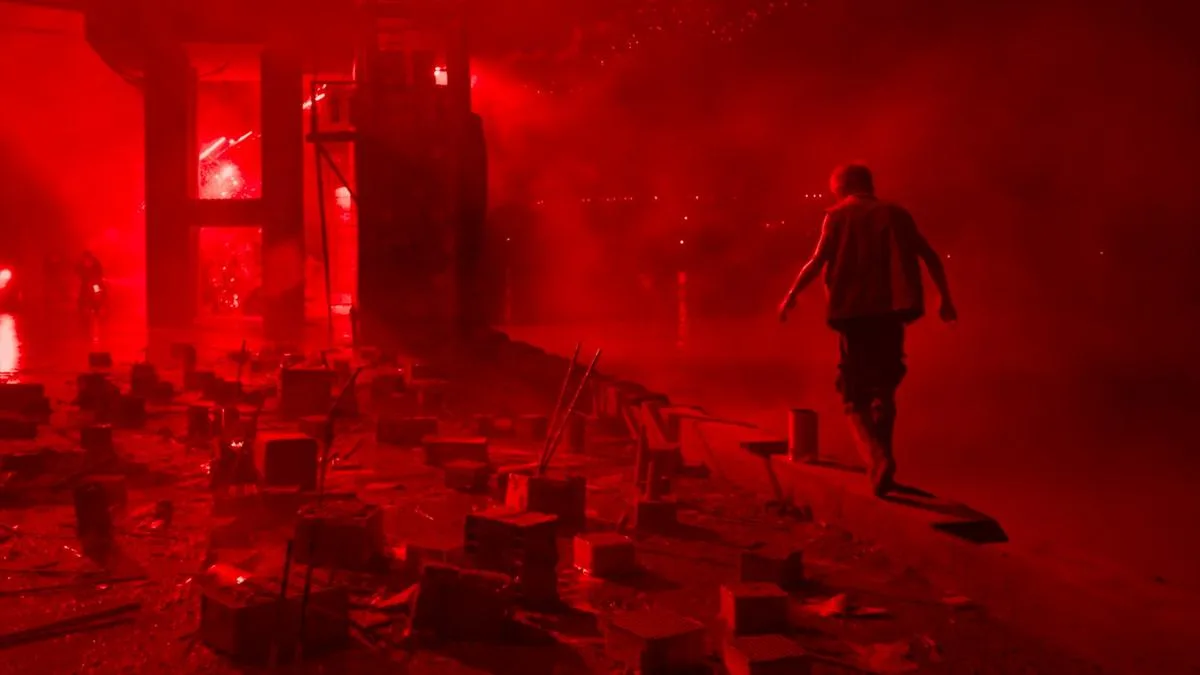
Resurrection resists traditional storytelling. Rather than following a linear plot, the film unfolds like a recurring dream, where memories dissolve into fantasies and the past continually reshapes the present.
Resurrection Review: Bi Gan’s Ouroborosian Odyssey Through Cinema Is Unlike Anything Else This Decade
Few filmmakers blur the boundaries between dreams and reality as masterfully as Chinese director Bi Gan. With Resurrection, he pushes cinematic experimentation to extraordinary heights, crafting a film that is less a conventional narrative than a meditative journey through memory, time, and the very language of cinema. The result is a work that challenges audiences intellectually while rewarding them with a deeply immersive visual experience.
Cinema as a Dream
Resurrection resists traditional storytelling. Rather than following a linear plot, the film unfolds like a recurring dream, where memories dissolve into fantasies and the past continually reshapes the present. Scenes flow into one another with an almost hypnotic rhythm, inviting viewers to experience the film emotionally rather than merely follow its narrative.
This unconventional structure may demand patience, but it also creates an atmosphere rarely found in contemporary cinema.
The Meaning of the Ouroboros
The description of the film as an "ouroborosian odyssey" is particularly apt. The ouroboros—the ancient symbol of a serpent consuming its own tail—represents cycles, eternity, death, and rebirth. Resurrection embraces this symbolism through recurring images, looping narratives, and characters who seem trapped within memories that continuously recreate themselves.
The film suggests that memory is never truly linear. Instead, it circles back upon itself, constantly reshaping identity and perception.
A Feast for the Eyes
Bi Gan has earned international acclaim for his extraordinary visual style, and Resurrection continues that tradition. Every frame is meticulously composed, combining expressive lighting, fluid camera movements, and dreamlike production design.
Long takes create a sense of uninterrupted immersion, allowing viewers to inhabit the film's world rather than merely observe it. Visual symbolism often communicates more than dialogue, making the cinematic experience both poetic and deeply personal.
Time as the Central Character
More than any individual protagonist, time itself emerges as the film's central subject. Past, present, and future coexist, overlap, and sometimes become indistinguishable. This fluid treatment of time reflects how human memory actually functions—not as an ordered sequence of events, but as fragments continually reconstructed through emotion and recollection.
The narrative invites audiences to surrender conventional expectations and accept uncertainty as part of the viewing experience.
A Film That Demands Participation
Resurrection is not designed for passive entertainment. It asks viewers to actively interpret its imagery, symbolism, and emotional undercurrents. Different audiences may leave the theatre with entirely different understandings of what they have witnessed.
Rather than offering clear explanations, the film encourages reflection long after the closing scene, making repeated viewings particularly rewarding.
Expanding the Language of Cinema
At a time when many films prioritize speed, spectacle, and immediate accessibility, Resurrection demonstrates cinema's capacity for philosophical inquiry and artistic innovation. It challenges conventional ideas of storytelling while exploring what moving images can express beyond words.
Such ambitious filmmaking may not appeal to every viewer, but it plays an essential role in expanding the possibilities of cinematic art.
Conclusion
Resurrection is less a film than an experience—a hypnotic exploration of memory, time, identity, and the enduring power of images. Bi Gan once again proves himself to be one of contemporary cinema's most visionary directors, creating a work that refuses easy interpretation while offering extraordinary artistic rewards.
For audiences willing to embrace ambiguity and visual poetry, Resurrection stands as one of the decade's most original cinematic achievements, reminding us that cinema can still surprise, challenge, and transform the way we see the world.